Вы стоите перед стеной мешков с цементом в строительном магазине и чувствуете себя потерянным? Это нормально. На этикетках нарисованы цифры, буквы и странные обозначения вроде М400 или ПЦ-500Д0. Многие думают, что чем выше цифра, тем лучше, но это не всегда так. Для дома часто достаточно более простых вариантов, если знать, для чего именно вы их используете.
Цемент is a binding material that hardens after mixing with water, forming the basis for concrete and mortar. In Russian construction, it is the primary component for foundations, walls, and floors. Choosing the wrong type can lead to cracks, extra costs, or weak structures. This guide breaks down exactly what you need to know to make the right choice without overpaying.
Key Takeaways
- М400 (D0) is the universal standard for most home projects like foundations and slabs.
- М500 is needed only for high-load areas or fast-drying requirements.
- Avoid cement with heavy additives (like Д20) if you plan to insulate the structure later.
- Freshness matters more than brand name; check the production date on the bag.
- For simple repairs, М300 might suffice, but it lacks durability for structural elements.
Understanding Cement Grades: What Do the Numbers Mean?
The number after "M" (Marka) indicates the compressive strength of the hardened cement paste after 28 days. It’s measured in kilograms per square centimeter (kg/cm²). So, М400 means the material can withstand a pressure of 40 kg on a 1 cm² area before breaking. But strength isn’t everything. You also need to look at the second part of the label: the letter D and the percentage next to it.
This percentage shows the amount of mineral additives. For example, Портландцемент is a hydraulic cement made from clinker and gypsum, often containing mineral fillers.
- D0: No additives. Pure cement. Best for high-quality concrete and where chemical resistance is needed.
- D20: Up to 20% additives. Cheaper, but less durable in wet conditions.
- D50: Up to 50% additives. Usually used for low-budget projects or non-critical parts.
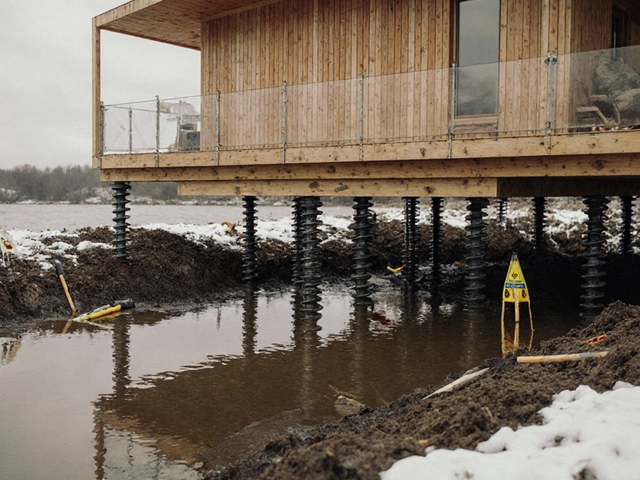
For a house foundation, you want purity. Additives can affect how the concrete interacts with soil moisture and insulation materials. If you are building in a region with high groundwater levels, stick to D0 varieties.
Choosing the Right Grade for Your Project
Let’s map common home tasks to specific cement types. This is where most people make mistakes by buying the most expensive option for a simple job, or the cheapest for a critical one.
| Project Type | Recommended Grade | Why? | Budget Tip |
|---|---|---|---|
| Foundation (Strip/Pile) | М400 D0 or М500 D0 | High load, contact with soil/moisture | Buy М400 D0; save money vs М500 |
| Wall Masonry (Brick/Block) | М400 D0/D20 | Mortar needs plasticity and strength | D20 is acceptable here |
| Floor Screed | М300 or М400 | Low structural load, needs leveling | М300 saves significantly |
| Repair/Cracks | М500 D0 | Fast setting, high adhesion | Buy small bags only |
| Driveway/Walkway | М400 D0 | Weather resistance, vehicle weight | Add gravel for strength |
Notice that М500 is rarely necessary for the whole house. It sets faster and is stronger, which sounds good, but it’s harder to work with. If you’re doing DIY work, М400 gives you more time to mix and pour before the concrete starts to stiffen. That flexibility is worth more than the extra strength you won’t use in a residential slab.
White vs. Gray Cement: When Does Color Matter?
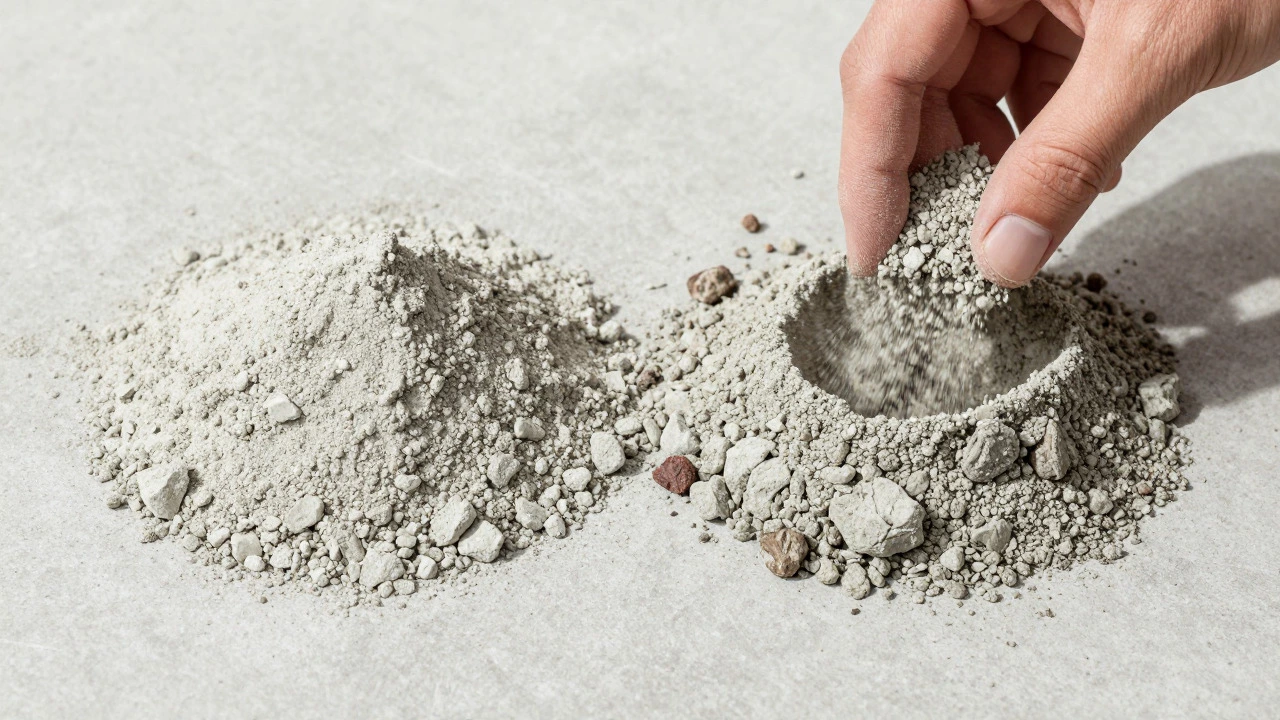
Most people think of cement as gray. But there is Белый цемент a white Portland cement used for decorative purposes and light-colored concrete. Should you buy it? Only if aesthetics are your priority.
White cement is 30-50% more expensive than gray. It is used for:
- Decorative terrazzo floors.
- Exterior plaster that needs to be painted light colors.
- Specialized tiles or architectural elements.
For a standard house foundation or interior screed, white cement offers zero structural benefit. It will cost you thousands of rubles extra for no gain. Stick to gray unless you have a specific design requirement that demands it.
How to Check Quality Before Buying
Even the best brand can produce bad batches. Here is how to spot issues before you pay.
- Check the Date: Cement loses strength over time. Freshness is key. Ideally, the production date should be within 3 months. If it’s older than 6 months, assume it has lost up to 10-15% of its strength. If it’s been a year, it’s basically powder.
- Feel the Bag: Pick up the bag. It should feel heavy and solid. If it feels light or you hear a hollow sound when shaking it, the cement may have clumped due to moisture exposure. Clumps mean partial hydration has already started, and those chunks won’t dissolve properly in your mix.
- Look for Clumps: Open the top of the bag if possible. If you see large hard lumps, put it back. Small soft grains are okay, but big rocks are a dealbreaker.
- Verify the Label: Ensure the GOST standard is listed. In Russia, this is usually GOST 10178-85 or newer updates. Avoid unbranded "cement" from unknown sources if you are building a foundation.
In Yekaterinburg and similar regions with variable weather, storage conditions matter. If the store keeps cement on the floor against a damp wall, avoid it. Proper storage requires pallets and dry air.
Common Mistakes to Avoid
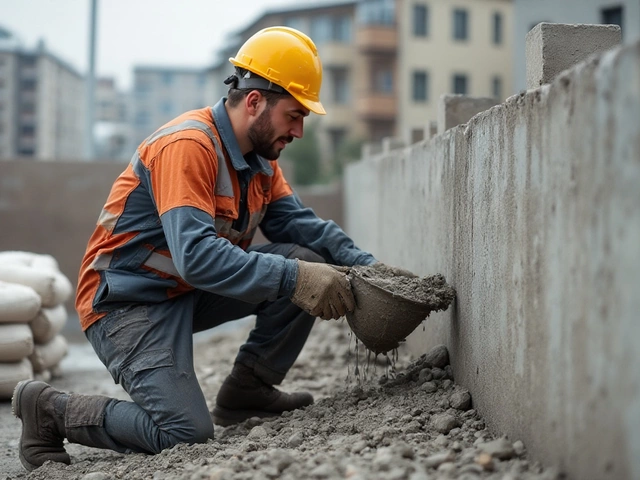
Experience teaches us that problems rarely come from the cement itself, but from how it’s handled. Here are the top three errors DIY builders make:
- Using Old Cement for Critical Parts: Saving money on old stock for a foundation is risky. The result is a weaker base that may crack in the first winter.
- Ignoring Water Temperature: In cold climates, using ice-cold water slows down the chemical reaction. In hot summers, water evaporates too fast. Aim for water between 10°C and 20°C for consistent results.
- Mixing Too Much at Once: Concrete starts setting quickly. Mix only what you can pour within 30-40 minutes. Leftover concrete in the mixer will turn into stone and ruin your equipment.
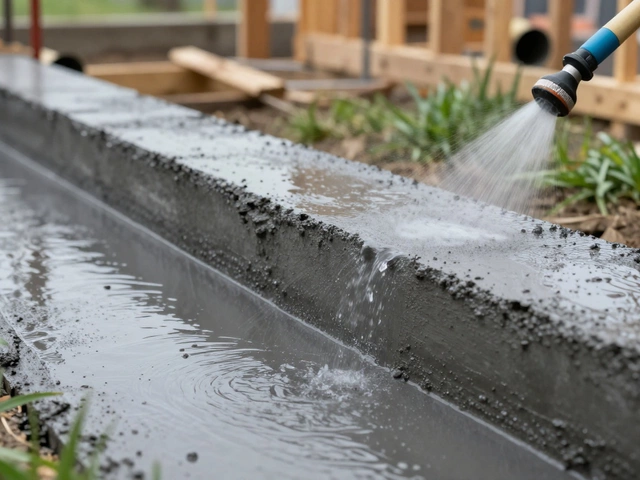
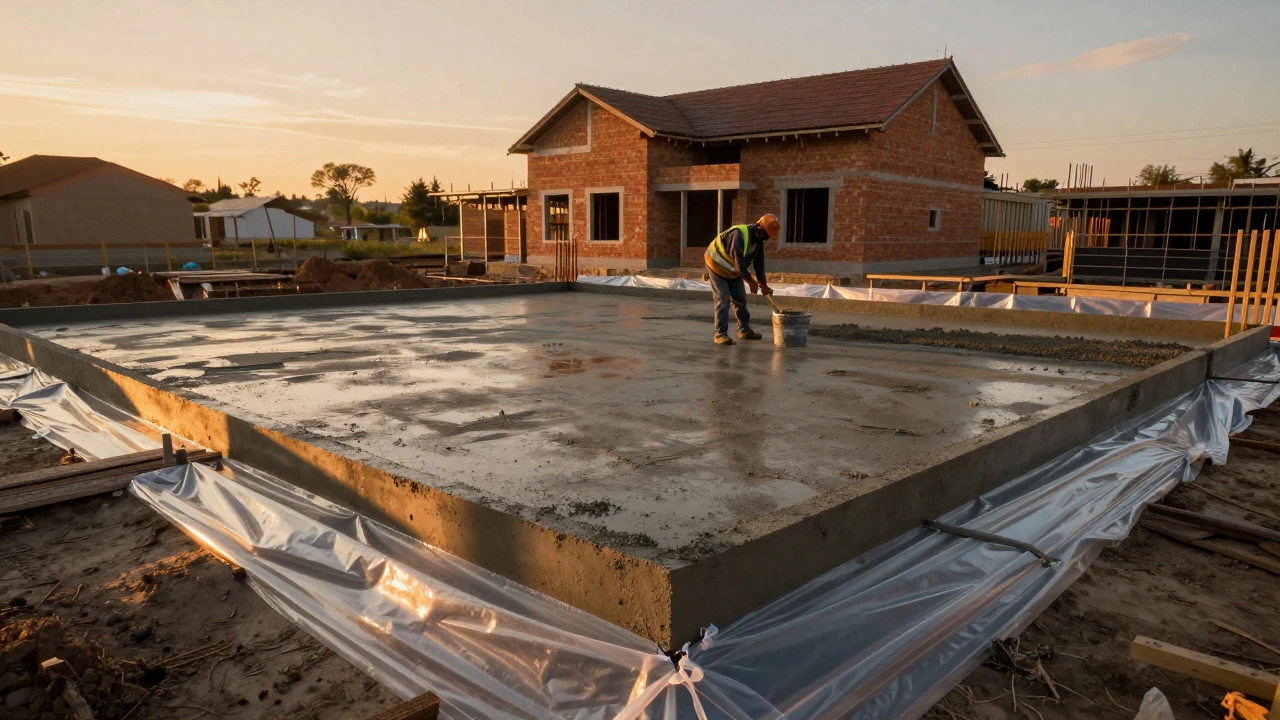
Also, don’t forget about curing. After pouring, keep the concrete moist for at least 7 days. Cover it with plastic film or wet burlap. Dry concrete shrinks and cracks. Moisture allows the chemical process to complete fully.
Cost Analysis: Is Expensive Worth It?
Let’s talk numbers. In 2026, prices fluctuate, but the ratio remains stable. М300 is roughly 15-20% cheaper than М400. М500 is 10-15% more expensive than М400. If you are building a 100 sq. meter house, you might need 5-7 tons of cement for the foundation and frame. The difference between М400 and М500 could be 5,000-10,000 rubles. Is that extra strength worth it? For a single-family home, usually no. М400 D0 provides ample margin of safety for residential loads. Save that money for better rebar or insulation.
However, if you are building a garage with a heavy overhead door mechanism or a two-story brick house, М500 might justify the cost due to higher initial strength and faster drying times, allowing you to start masonry sooner.
Frequently Asked Questions
Can I use М300 for a house foundation?
It is not recommended. While technically possible for very light structures, М300 lacks the durability and moisture resistance needed for long-term foundation performance. Use М400 D0 or higher for any structural base.
What is the difference between ПЦ and ВСК cement?
ПЦ (Portland Cement) is the standard general-purpose cement. ВСК (White Slag Cement) is a specialized type often used for industrial applications or specific corrosion-resistant needs. For home construction, ПЦ is the correct and widely available choice.
How long does cement last in storage?
In sealed bags, cement retains full strength for about 3 months. After that, it slowly degrades. By 6 months, it may lose significant potency. Always check the date and buy only what you need for the immediate project phase.
Is it better to buy bulk cement or bags?
Bulk cement is cheaper per ton and reduces packaging waste. However, it requires a silo truck delivery and immediate use. For small home projects, bags are more convenient and allow you to control exact quantities. For large foundations, bulk delivery saves money.
Do I need waterproof cement for a basement?
Not necessarily. Standard М400 D0 concrete, when mixed correctly and cured properly, is naturally resistant to water penetration. Specialized "waterproof" cements are often just standard cement with added hydrophobic agents. Focus on proper concrete density and external drainage instead.